One of the most valuable elements of overall health is mental health. It determines our thoughts, emotions, and behaviors in day-to-day life. Mental health touches all aspects of life, whether it is work and studies, relationships, or other developmental aspects. Having bad mental health may complicate even the simplest routine tasks, whereas having good mental health may help us to flourish and live our lives without any problems. Answering the question of why is mental health important and acquiring techniques on how to deal with anxiety is the key to a balanced and healthy life.
Understanding Mental Health

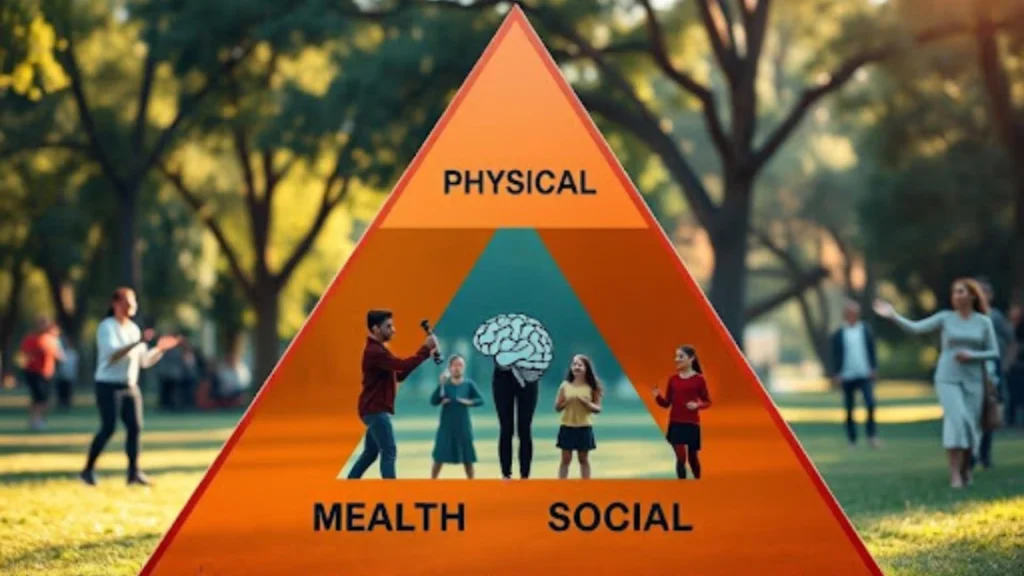
Mental health does not only mean the lack of mental disorders. It is a condition of emotional, psychological, and social well-being, which allows people to:
- Learn to deal with stress and problems.
- Solve problems effectively
- Keep relationships in good condition.
- Make sound decisions
- Savor life and self-development.
Good mental health also has a direct relationship with physical health. The problems associated with chronic stress or unaddressed mental health problems are:
- High blood pressure and heart disease.
- Digestive disorders
- Insomnia and other sleeping issues.
- Weakened immune system
Good mental health, on the other hand, aids in boosting energy, boosts immunity, and boosts quality of life.
Why Is Mental Health Important in Daily Life

Mental health affects nearly every aspect of daily life. Here’s how:
1. Stress Management
People with strong mental health can handle stress more effectively. Instead of feeling overwhelmed, they can evaluate challenges calmly, make practical decisions, and stay focused.
2. Improved Productivity
Good mental health supports concentration, problem-solving, and creativity. This leads to better performance at work, school, or personal projects.
3. Stronger Relationships
Emotional stability helps build and maintain healthy relationships. Individuals with good mental health can communicate effectively, empathize with others, and resolve conflicts constructively.
4. Better Decision-Making
Mental clarity and emotional balance improve judgment. People can weigh pros and cons before making decisions rather than reacting impulsively.
5. Enhanced Enjoyment of Life
Good mental health allows individuals to enjoy life fully, pursue hobbies, and engage in activities that bring satisfaction and happiness.
Understanding why mental health is important helps people prioritize self-care, seek help when needed, and maintain a positive outlook on life.
Don’t forget to read: women’s volleyball net height
Common Mental Health Challenges
Several mental health challenges are common today. Recognizing these early is essential for effective management. Some common problems include:
- Anxiety Disorders – Persistent worry, restlessness, and physical symptoms like a rapid heartbeat.
- Depression – Feelings of sadness, hopelessness, and low energy that interfere with daily functioning.
- Stress-Related Disorders – Chronic stress leading to irritability, fatigue, and burnout.
- Obsessive-Compulsive Behaviors – Repetitive thoughts and actions that disrupt daily routines.
- Sleep Disorders – Mental health issues often affect sleep patterns, worsening fatigue and emotional instability.
Addressing these challenges early through self-care, lifestyle changes, and professional support can prevent escalation and promote long-term mental well-being.
Understanding Anxiety

Anxiety is a natural stress response, but when it becomes persistent, it can disrupt daily life. Common symptoms include:
- Feeling restless or on edge
- Racing or uncontrollable thoughts
- Difficulty concentrating
- Sleep disturbances
- Irritability or fatigue
While occasional anxiety is normal, chronic anxiety requires attention. Seeking professional help and practicing self-care can help manage symptoms effectively.
Practical Ways to Manage Anxiety
Anxiety does not necessarily have to be treated using medication. Numerous measures could be taken at home or along with professional consultations:
1. Mindfulness and Meditation
Meditation and mindfulness activities aid in concentration of the mind, alleviation of stress, and relaxation. It can help even, regularly-Physical 1015 minutes a day.
2. Breathing Exercises
Slow and deep breathing triggers the relaxation response system in the body and reduces anxiety and calms the mind. Such methods as diaphragmatic breathing are really effective.
3. Healthy Lifestyle Habits
Exercising, eating a balanced diet, and having sleep help maintain mental health as well as physical health. Endorphins are also released under the influence of exercise, and they, of course, improve mood.
4. Positive Thinking
Negative thinking can be conquered by replacing it with positive affirmations, which will enhance emotional well-being. You can be taught to counter unhelpful thinking patterns through the use of cognitive-behavioral strategies.
5. Journaling
Putting ideas and feelings on paper assists in processing feelings, finding triggers, and getting rid of mental clutter.
6. Structured Daily Routine
The daily routine lowers the level of uncertainty and stress, leaving one with a feeling of control and stability.
When these practices are combined with professional guidance, they usually have the best results.
Professional Support for Mental Health
While self-care is vital, professional mental health support offers specialized care and guidance. Massachusetts, as well as mental health facilities, offers therapy, counseling, and structured programs. These services offer:
- Evaluation and diagnosis by skilled staff
- Personal and family therapy
- Techniques of anxiety management and coping
- The long-term assistance in the preservation of mental health.
In deciding on a mental health facility, one should look at:
- Employee credentials and expertise.
- Types of services offered
- Accessibility and location
- Patient testimonials and testimonies.
Proper support will help people to recover faster, avoid the deterioration of physical and mental health, and develop resilience.
Benefits of Combining Self-Care and Professional Help
Self-help and professional assistance are usually the most effective methods of management of mental health:
- Early Intervention: avoids the development of anxiety becoming severe and results to other mental illnesses.
- Individualized Techniques: Coping methods can be individualized by the professionals.
- Continuous Care: Therapy and counseling offer advice, responsibility, and motivation.
- Long-Term Outcomes: Therapy, in combination with mindfulness practice, physical activity, and positive behaviors, will guarantee mental health.
Lifestyle Habits to Support Mental Health
In addition to therapy, these lifestyle habits strengthen mental well-being:
- Work out regularly: Physical workouts make one feel better, de-stress, and sleep better.
- Physical Diet: Healthy food gives power to the body and brain.
- Have Social Support: communication with friends or family members helps a person feel less alone.
- Frequent Rest Periods: The body should take a rest and relax to avoid burnout and emotional fatigue.
- Limit Bad Influences: Although this seems difficult, avoid bad environments, bad media, or bad socialization.
The daily routine in combination with professional care can lead to much better mental health in the long term.
Conclusion about why is mental health important
Firstly, the first step to getting down to prioritizing your emotional and psychological health is to know what mental health is. There are other mental health disorders associated with anxiety that may be overwhelming but manageable using a self-care approach, lifestyle changes, and professional help. Remaining conscious, having good practices and positive thoughts, and seeking assistance from professionals would make you feel stronger, get you better relationships, become more productive, and live a balanced life. Give attention to your mental health today, and tomorrow you will have a healthy and happier future.
FAQs about why is mental health important
1. Why is mental health important for overall well-being?
Mental health affects how we think, feel, and behave in daily life. Good mental health helps manage stress, build strong relationships, make better decisions, and enjoy life fully. It also impacts physical health, including immunity, sleep, and heart health.
2. What are the common signs of poor mental health?
Common signs include persistent sadness, irritability, excessive worry or anxiety, sleep disturbances, difficulty concentrating, loss of interest in activities, and feelings of isolation. Recognizing these signs early can help prevent more serious issues.
3. How can I manage anxiety naturally at home?
Simple strategies include practicing mindfulness or meditation, doing deep breathing exercises, maintaining a balanced diet, exercising regularly, journaling your thoughts, and practicing positive thinking. Consistency is key to reducing anxiety naturally.
4. When should I seek professional help for mental health issues?
You should seek professional help if anxiety, stress, or depression affects your daily life, relationships, or work. Professional support provides tailored coping strategies, therapy sessions, and long-term guidance to manage mental health effectively.
5. How do mental health programs and therapy help with anxiety?
Mental health programs teach practical coping skills, help identify triggers, and provide ongoing support in both individual and group settings. Therapy allows for structured guidance, personalized strategies, and long-term improvement in emotional resilience.