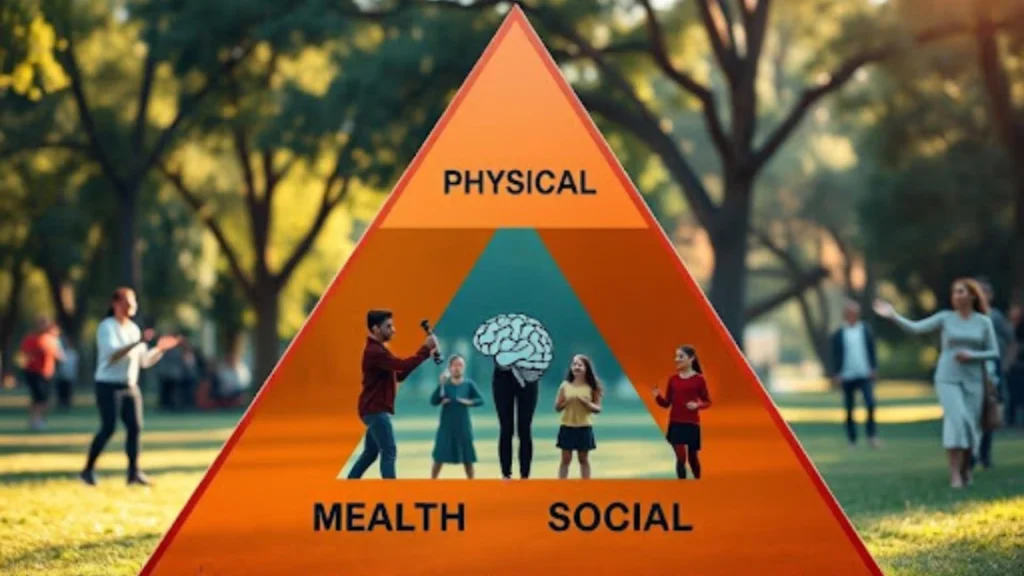

Health is not only about what we eat or how often we exercise. Mental and emotional well-being are just as important as physical health. But many people confuse mental health and emotional health. They are related but different. This guide will help you understand both compare and contrast mental health and emotional health, why they matter, and how they affect your daily life.
What is Mental Health?

Mental health is about how your brain works. It includes your thinking, decision-making, memory, and problem-solving abilities. Mental health allows you to process information, stay focused, and handle challenges in life.
Good mental health is not just the absence of mental illness. It also means being able to think clearly, manage stress, and make decisions wisely. Poor mental health can cause problems like anxiety, confusion, trouble concentrating, or difficulty making decisions.
Mental Health in Daily Life
Mental health affects every part of your daily life:
- At School: Helps you concentrate on studies, remember lessons, and solve problems.
- At Work: Helps you stay organized, make decisions, and finish tasks on time.
- At Home: Helps you plan your day, manage stress, and handle challenges calmly.
A student with strong mental health can plan study schedules, prepare for exams without stress, and focus better in class.
What is Emotional Health?

Emotional health is about how you feel and manage your emotions. It is the ability to understand your feelings, express them appropriately, and cope with life’s challenges. Emotional health is also about empathy, meaning understanding others’ feelings.
Being emotionally healthy means you can handle happiness, sadness, frustration, or anger without harming yourself or others. Poor emotional health can lead to mood swings, irritability, sadness, or even conflicts with others.
Emotional Health in Daily Life
Emotional health affects how you:
- React to Stress: Stay calm under pressure instead of panicking.
- Interact with Others: Build good relationships by understanding feelings.
- Make Decisions: Avoid letting emotions like anger or frustration cloud your judgment.
A student with good emotional health may feel disappointed after failing a test but chooses to learn from the mistake instead of getting angry or upset.
Key Differences Between Mental Health and Emotional Health
While mental and emotional health are connected, they focus on different aspects of well-being.
| Feature | Mental Health | Emotional Health |
|---|---|---|
| Focus | Thinking and brain function | Feelings and emotions |
| Helps You With | Problem-solving, memory, concentration | Managing feelings, expressing emotions |
| Signs of Good Health | Clear thinking, learning easily, staying calm under stress | Staying positive, handling anger or sadness, expressing feelings properly |
| Example in Daily Life | Completing homework without stress | Staying calm even when someone teases you |
| When It’s Poor | Confusion, memory problems, anxiety disorders | Mood swings, emotional outbursts, feeling sad often |
How They Work Together
Even though mental and emotional health are different, they influence each other. Poor mental health can make you more emotionally sensitive, while poor emotional health can affect your ability to think clearly and solve problems.
Example: A student who is anxious about exams (mental health) may feel sad or frustrated easily (emotional health). On the other hand, if a student keeps bottling up emotions (emotional health), they may struggle to focus in class (mental health).
Why Mental and Emotional Health Matter
Mental and emotional health affect every part of life. When both are strong:
- You handle stress and challenges better
- You make better decisions
- You have stronger relationships with family, friends, and peers
- You feel happier and more satisfied in daily life
Ignoring either can make life harder. Poor mental health can cause confusion and anxiety, while poor emotional health can lead to frequent mood swings and conflicts with others.
Mental Health in Daily Routines

Your daily routines play a big role in mental health. Small habits can improve your brain function and thinking abilities:
- Studying Smartly: Organizing study time improves focus and memory.
- Rest and Sleep: A well-rested brain works better.
- Healthy Eating: Nutrients like omega-3 and vitamins improve brain function.
- Stress Management: Techniques like deep breathing help you stay calm.
- Learning New Skills: Challenges like puzzles, reading, or learning a language strengthen the brain.
Maintaining mental health is about building routines that make your brain sharper and more flexible.
Emotional Health in Daily Routines
Emotional health is also shaped by everyday habits:
- Express Your Feelings: Talk to friends, family, or mentors.
- Recognize Emotions: Understand what you are feeling and why.
- Practice Mindfulness: Focus on the present moment to control stress.
- Set Boundaries: Avoid situations or people that harm your emotional well-being.
- Positive Thinking: Focus on solutions instead of problems to maintain a healthy mindset.
Good emotional health helps you respond calmly to challenges instead of reacting impulsively.
Common Challenges and How to Handle Them
Mental Health Challenges
- Stress and Anxiety: Feeling overwhelmed with studies or work
- Concentration Problems: Difficulty focusing on tasks
- Memory Issues: Forgetting important things
- Decision-making Struggles: Feeling confused about choices
How to Handle: Take breaks, practice mindfulness, organize tasks, and ask for help when needed.
Emotional Health Challenges
- Mood Swings: Sudden feelings of sadness, anger, or happiness
- Frustration: Reacting angrily to small problems
- Loneliness: Feeling disconnected from friends or family
- Emotional Overload: Feeling overwhelmed by too many emotions at once
How to Handle: Express your feelings, practice deep breathing, share with someone you trust, and use relaxation techniques.
Tips to Improve Both Mental and Emotional Health
- Exercise Regularly: Physical activity reduces stress and improves mood.
- Talk About Feelings: Sharing with someone you trust prevents emotional overload.
- Take Breaks: Avoid burnout by relaxing and resting.
- Eat Healthy Food: Nutrition affects the brain and mood.
- Practice Mindfulness or Meditation: Helps calm both mind and emotions.
- Maintain a Routine: Consistent schedules improve both mental clarity and emotional balance.
- Limit Negative Influences: Avoid stressful situations or toxic people when possible.
Impact on School, Work, and Relationships
Strong mental and emotional health affects your performance in school, work, and social life:
- School: Helps students focus on learning, complete assignments, and handle exam stress.
- Work: Improves productivity, decision-making, and teamwork.
- Relationships: Helps maintain trust, understanding, and empathy with others.
Poor mental or emotional health can lead to misunderstandings, conflicts, stress, and lower performance in all areas of life.
Conclusion about compare and contrast mental health and emotional health
Mental health and emotional health are both very important in daily life. Mental health helps you think clearly, solve problems, and make decisions. Emotional health helps you understand and manage your feelings, express yourself, and build relationships.
Taking care of both will make life easier, happier, and more productive. By following simple routines, talking about feelings, and managing stress, anyone can improve their mental and emotional well-being.
Remember: good health is not just about your body—it’s about your mind and emotions too. Caring for both is the key to a happy and successful life.
FAQs About compare and contrast mental health and emotional health
Q1: Can mental health problems affect emotions?
Yes, poor mental health can make you feel sad, anxious, or frustrated more easily.
Q2: Can emotional health affect thinking?
Yes, strong emotions like anger or stress can make it hard to focus or make decisions.
Q3: Are mental and emotional health the same thing?
No, mental health is about thinking and brain function, while emotional health is about feelings and emotions.
Q4: How can students maintain good mental and emotional health?
By exercising, resting well, eating healthy, talking about feelings, and practicing mindfulness.
Q5: Can someone have good mental health but poor emotional health?
Yes, a person might think clearly but struggle to manage emotions properly.