
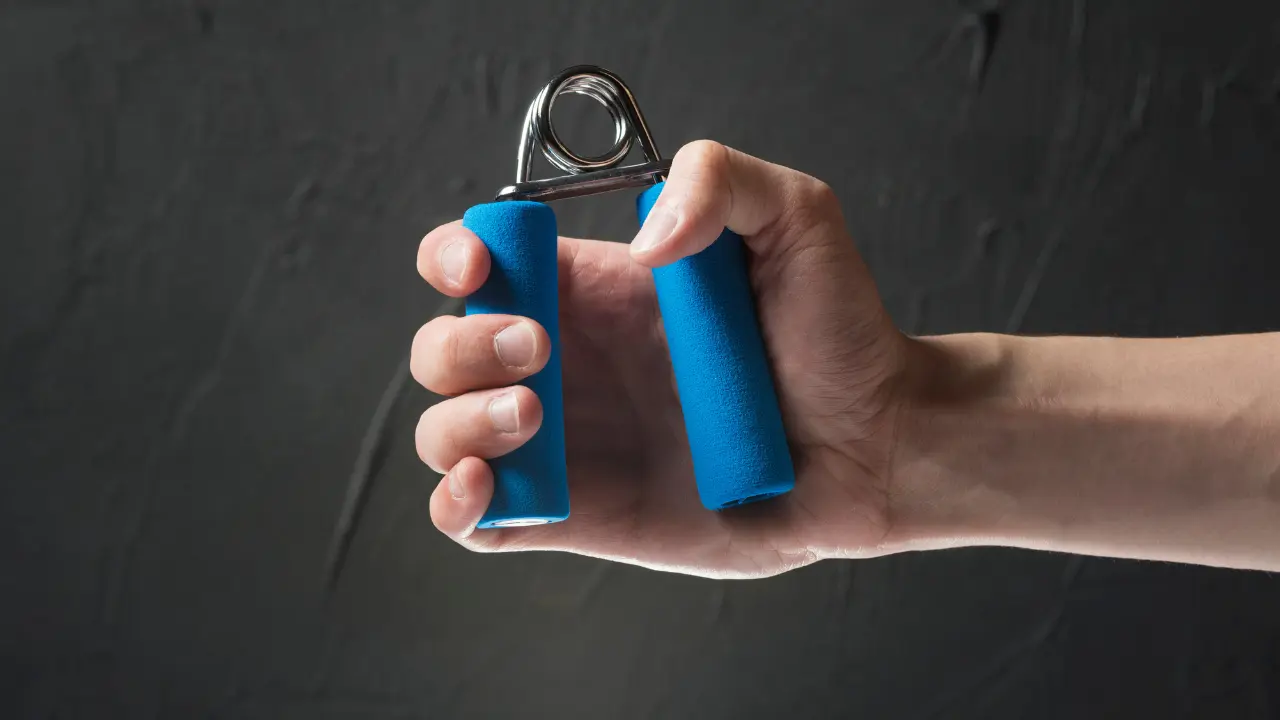
Want to know if your grip strength is normal? You’re in the right place. I’ve spent a lot of time studying strength levels, and in this guide, I’ll explain the real numbers behind average grip strength male standards in a simple way.
You’ll learn what grip strength actually means, how it’s measured, and what score is considered normal at different ages. I’ll also share practical ways to improve your grip without making things complicated.
No hard medical terms. Just useful information that actually helps.
What is Grip Strength?

Grip strength is the amount of force your hand can produce when you squeeze, hold, or carry something. In simple words, it shows how strong your hands and forearms are.
You use grip strength every single day. Opening jars, carrying shopping bags, lifting weights, or even shaking hands all depend on it.
But grip strength is not only about hand power. Doctors and fitness experts often use it as a sign of overall health. A stronger grip is usually linked with better muscle mass, stronger bones, improved mobility, and healthier aging. On the other hand, very weak grip strength can sometimes point toward future health problems.
The most common tool used to measure grip strength is called a hand dynamometer. You squeeze the handle as hard as possible, and the device shows your strength in pounds or kilograms.
Several things can affect your score, including:
- Age
- Fitness level
- Dominant hand
- Body strength
Most tests are done three times on each hand, and the highest score is counted.
Average Grip Strength Male

Grip strength changes with age. Most men reach their strongest years during their late 20s and early 30s. After the age of 40, grip strength slowly starts decreasing.
Average Grip Strength Male by Age
Here are the average grip strength numbers for the dominant hand:
- Ages 20–24: 121 lbs (55 kg)
- Ages 25–29: 121 lbs (55 kg)
- Ages 30–34: 119 lbs (54 kg)
- Ages 35–39: 117 lbs (53 kg)
- Ages 40–44: 113 lbs (51 kg)
- Ages 45–49: 109 lbs (49 kg)
- Ages 50–54: 106 lbs (48 kg)
- Ages 55–59: 101 lbs (46 kg)
- Ages 60–64: 97 lbs (44 kg)
- Ages 65–69: 91 lbs (41 kg)
- Ages 70–74: 85 lbs (39 kg)
- Ages 75–79: 78 lbs (35 kg)
- Ages 80+: 69 lbs (31 kg)
You can clearly see the pattern. Grip strength stays high during younger years and slowly drops with age, especially after 50.
Your non-dominant hand is usually around 10% weaker than your stronger hand.
Don’t Miss: 10-Minute Chair Yoga for Seniors
Grip Strength in Teens and Young Adults

Teenage boys often gain grip strength quickly during growth years.
Typical grip strength values look like this:
- 14-year-old males: 78–85 lbs (35–39 kg)
- 15-year-old males: 88–95 lbs (40–43 kg)
- 16-year-old males: 95–105 lbs (43–48 kg)
- 17-year-old males: 105–115 lbs (48–52 kg)
- 18-year-old males: 110–120 lbs (50–54 kg)
Sports, exercise, and weight training can make a huge difference at this age. Sometimes an active teenager may even have a stronger grip than an inactive adult.
Average Grip Strength Male in Different Units
Different countries and testing tools use different measurement systems.
Here’s a simple conversion guide:
- Pounds to kilograms: Divide by 2.2
Example: 110 lbs = 50 kg - Kilograms to pounds: Multiply by 2.2
Example: 50 kg = 110 lbs - Newtons: 1 kg = 9.8 newtons
Example: 50 kg = 490 newtons
Most American tools use pounds, while many studies use kilograms. So always check which unit is being used before comparing results.
Average Grip Strength: Male vs Female
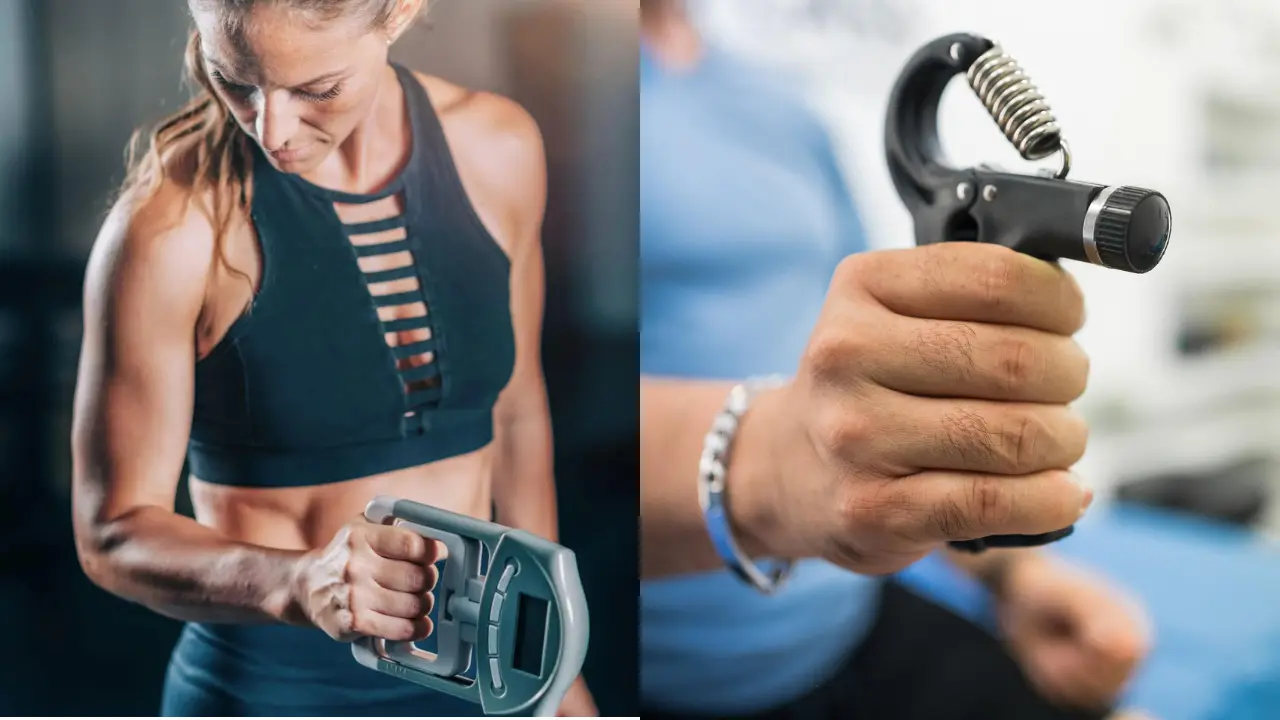
Men usually have stronger grip strength than women because of differences in muscle mass, hormones, and bone structure.
On average:
- Men: 105–115 lbs (48–52 kg)
- Women: 65–75 lbs (29–34 kg)
That means men often score around 35–40% higher.
Testosterone plays a major role in muscle development, while larger hands and forearm muscles also help men produce more grip force.
Still, training matters a lot. A trained woman can easily outperform an untrained man.
Factors Affecting Grip Strength in Men

Your grip strength depends on more than genetics alone.
Age and Genetics
Age has a major impact. Strength builds during teenage years and peaks somewhere between 25 and 35. After that, gradual decline begins.
Genetics also matter. Hand size, muscle fibers, and tendon structure are inherited from your parents. You can’t change genetics, but proper training still improves strength significantly.
Physical Activity and Lifestyle
Your daily routine affects your grip more than most people realize.
People who work in construction, farming, climbing, or manual labor naturally develop stronger hands. Even hobbies like gardening or playing guitar can improve grip over time.
Weight training is especially effective. Exercises like deadlifts, pull-ups, and rows force your hands to work harder.
Meanwhile, people who spend most of the day sitting at a desk often have weaker grip strength.
Nutrition and Health
Your muscles need proper nutrition to stay strong.
Protein helps repair and build muscle tissue. Foods like eggs, chicken, fish, beans, and yogurt are excellent options.
Vitamin D also supports muscle function, while proper sleep helps your body recover and grow stronger.
Some health conditions like arthritis, diabetes, or nerve problems can reduce grip strength as well.
Tips to Improve Grip Strength

Building stronger grip strength does not require fancy equipment. Simple habits work surprisingly well.
- Squeeze a tennis ball or stress ball for a few seconds and repeat daily.
- Hang from a pull-up bar to improve grip endurance.
- Carry heavy dumbbells during farmer’s walks.
- Use adjustable hand grippers throughout the day.
- Eat enough protein and sleep properly for recovery.
Consistency matters more than intensity. Even small daily practice can improve your grip over time.
Conclusion
Grip strength says a lot about your overall fitness and long-term health. Now you know what average grip strength male standards look like at different ages and how to compare your own results.
I’ve personally found grip training useful not only for workouts but also for simple daily activities like carrying groceries or opening tight lids. The improvement becomes noticeable faster than most people expect.
Start testing your grip regularly and focus on small improvements every week. Over time, those changes add up.
FAQs
What is a good grip strength for a 30-year-old male?
A good grip strength for a 30-year-old man is around 110–120 lbs (50–54 kg). Scores above 115 lbs are generally considered above average.
Can you improve grip strength after 40?
Yes, absolutely. Grip strength can improve at almost any age with regular training and proper recovery.
How long does it take to improve grip strength?
Most people notice some improvement within 4–6 weeks. Bigger changes usually take around 2–3 months of consistent practice.
Is 90 lbs of grip strength good for a male?
For older men above 65, 90 lbs is considered good. For younger adults, it is usually below average.
Does grip strength relate to overall health?
Yes. Studies often connect weak grip strength with higher health risks, lower mobility, and reduced muscle function later in life.

