
There is no bigger treasure than health as Vince Lombardi used to say and knowing and taking action on FUPA is one very important step towards it.
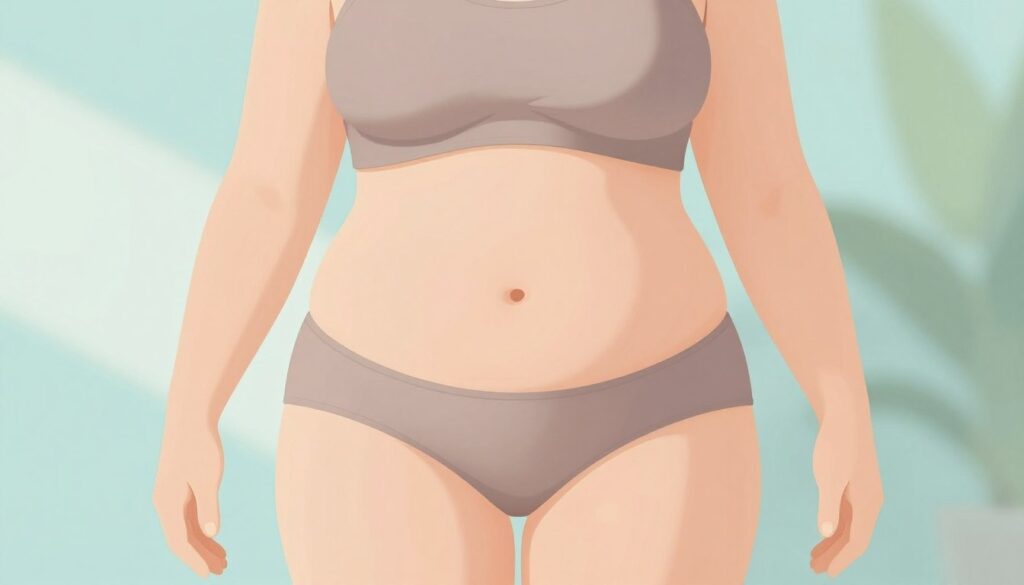
FUPA or Fat Upper Pubic Area is a highly discussed problem in many people, which impacts on their self-image and general health. We need to know what FUPA is and what its connection with our lives is.
Treatment of FUPA entails lifestyle modification and medical treatments in certain instances. These are vital in having the right knowledge of the options available to make informed choices.
Overview of FUPA: Definitions and Anatomy
In order to understand FUPA, one needs to understand its medical definition and the location in the body. Fat Upper Pubic Area or FUPA is a term that is used to refer to accumulation of fat in the upper pubic area.
This situation is of concern to most people, both aesthetically and, in some cases, health-related.
Scientiffy vs. Ordinary Speech
Within medics, FUPA is not a professionally known disorder but it is a name. Nevertheless, it has to do with the build-up of subcutaneous fat in the pubic area.
In everyday language, FUPA means the fat swelling of the pubic part that is more pronounced in some physiques or when a person has undergone some drastic weight loss or gain.
Anatomy Location and Composition
The FUPA area is placed over pubic bone, and under the abdominal area. It is made up of adipose tissue which is a form of body fat.
FUPA composition and visibility can be different in people because of several factors such as genetic composition, body structure, and hormonal effects among others.
It is imperative to develop anatomy and definition of FUPA in order to provide an answer to questions regarding this condition.
With its medical and everyday use definitions identified along with the position of the FUPA in the body and its structural components, people can be more inclined to approach the procedures of the FUPA reduction or control.
What Is a FUPA and Why Do People Have It?
A combination of both genetic, anatomical and lifestyle factors can be used to explain the presence of FUPA. Knowledge of these factors can be used to explain why certain people are more likely to have FUPA.
Patterns of Fat Distribution in the Body.
Fat distribution is highly differentiated among different individuals because of such factors as hormones, genes and general body structure. Others can accumulate fat easily around the upper pubic region and this leads to the emergence of FUPA.
Genetic Factors Contributing to FUPA
Genetics are significant in the shape and distribution of fat in the body. Lower abdominal or pubic fat storage may be more likely to cause FUPA among individuals with a family history of the issue as their genetic makeup predisposes them to it.
Body Types and FUPA Prevalence
Bodies of different types possess differences in the tendencies of storing the fat in various places. An example is that people whose bodies are shaped like an apple will store fat at the mid part including the pubic region that will lead to an increased risk of FUPA.
Knowing such a fact, people will be able to cope with their particular case and find possible ways to resolve it.
Common Causes of FUPA Development
The formation of FUPA is often the result of a combination of factors, including hormonal changes, significant life events, and natural aging processes. Understanding these causes is essential for developing effective strategies to address FUPA.
Hormonal Influences
Hormonal fluctuations play a significant role in fat distribution in the body. Imbalances in hormones such as estrogen and cortisol can lead to increased fat storage in the lower abdominal area. This is particularly common during certain life stages or due to specific medical conditions.
Pregnancy and Postpartum Changes
Pregnancy is another significant factor that can contribute to the development of FUPA. During pregnancy, the body undergoes numerous changes, including weight gain and hormonal shifts that can affect fat distribution. Postpartum, some women may find it challenging to lose the weight gained during pregnancy, leading to FUPA.
Weight Fluctuations
Significant weight fluctuations, whether due to dieting, health conditions, or other factors, can also contribute to FUPA. When weight is gained and then lost, skin and abdominal muscles may not return to their original state, potentially leading to the appearance of FUPA.
Aging Process
As we age, our metabolism slows down, and fat distribution patterns change. Aging can lead to increased fat storage around the abdominal area, including the development of FUPA. Additionally, the natural loss of muscle mass and skin elasticity with age can exacerbate the appearance of FUPA.
| Cause | Description | Impact on FUPA |
| Hormonal Influences | Imbalances in hormones like estrogen and cortisol | Increased fat storage in lower abdomen |
| Pregnancy and Postpartum | Weight gain and hormonal shifts during pregnancy | Potential for persistent weight gain and FUPA |
| Weight Fluctuations | Significant weight gain and loss | Loose skin and abdominal muscle laxity |
| Aging Process | Slowing metabolism and changing fat distribution | Increased fat around the abdominal area |
The Difference Between FUPA and Regular Belly Fat
Understanding the distinction between FUPA and regular belly fat is crucial for addressing this common body concern. While both refer to fat accumulation in the abdominal area, they differ in their specific locations and characteristics.
Subcutaneous vs. Visceral Fat
FUPA is typically composed of subcutaneous fat, which is the layer of fat beneath the skin. In contrast, visceral fat is located deeper, surrounding internal organs. Understanding this difference is key to addressing FUPA effectively.
Why FUPA Can Be Stubborn to Address
FUPA can be challenging to reduce due to its location and the type of fat it represents. Subcutaneous fat is often more resistant to diet and exercise than visceral fat.
Measuring and Identifying Your FUPA
To identify your FUPA, you can use a simple measurement technique. Pinch the skin around your lower abdominal area; if you can grab more than an inch, it may indicate a higher amount of subcutaneous fat.
| Characteristics | FUPA | Regular Belly Fat |
| Fat Type | Primarily Subcutaneous | Can be both Subcutaneous and Visceral |
| Location | Upper Pubic Area | General Abdominal Area |
| Difficulty in Reduction | Can be Stubborn | Varies Depending on Type |
Health Implications: Is FUPA a Medical Concern?
The presence of FUPA can lead to various health concerns, both physical and psychological. While it is primarily considered a cosmetic issue, understanding its health implications is crucial for overall well-being.
See also: What Is the Health Triangle
Physical Health Considerations
FUPA can be associated with several physical health issues. Excess fat in the pubic area can lead to skin irritation and infections due to friction and moisture accumulation. Moreover, it can be a sign of visceral fat, which is linked to more severe health conditions such as diabetes, cardiovascular diseases, and metabolic syndrome.
| Physical Health Risks | Description |
| Skin Irritation | Friction and moisture can cause irritation and infections. |
| Visceral Fat Association | Excess fat in the pubic area may indicate visceral fat, linked to serious health conditions. |
Psychological and Emotional Impact
The psychological impact of FUPA should not be underestimated. Individuals with FUPA may experience low self-esteem and body dissatisfaction, affecting their quality of life. The emotional distress can lead to avoidance of social and intimate situations, further exacerbating feelings of isolation.
When to Consult a Healthcare Provider
It’s essential to consult a healthcare provider if FUPA is causing significant discomfort or if there are concerns about its impact on health. A healthcare professional can provide guidance on lifestyle changes or medical treatments that may help address FUPA and related health issues.
Dietary Approaches to Reduce FUPA
Diet plays a pivotal role in managing and reducing FUPA. By focusing on the right nutrition principles, individuals can effectively combat this stubborn fat area.
Nutrition Principles for Fat Reduction
To reduce FUPA, it’s essential to adopt a diet that promotes overall fat loss. This involves consuming a calorie-controlled diet rich in nutrients. Emphasizing protein-rich foods can help, as protein takes more energy to digest, thereby increasing metabolism.
- Incorporate lean proteins like chicken, fish, and tofu.
- Include a variety of vegetables and fruits.
- Choose whole grains over refined grains.
Foods That May Help Combat FUPA
Certain foods can aid in fat reduction due to their nutritional properties. For instance, foods high in fiber can help reduce hunger and increase feelings of fullness.
| Food | Nutritional Benefit |
| Avocados | Rich in healthy fats and fiber |
| Berries | High in antioxidants and fiber |
| Green Tea | Boosts metabolism |
Meal Planning Strategies
Effective meal planning is crucial for maintaining a diet that reduces FUPA. Planning meals in advance helps avoid unhealthy food choices. It’s beneficial to prepare meals that are balanced and nutrient, dense.
- Plan your meals for the week ahead.
- Shop for ingredients that align with your dietary goals.
- Cook in bulk to save time and ensure healthy eating.
Hydration and Its Impact
Staying hydrated is often overlooked but is vital for overall health and can aid in fat reduction. Water helps in boosting metabolism and can assist in controlling hunger.

Drinking enough water throughout the day is a simple yet effective strategy for those looking to reduce FUPA. Aim for at least 8 cups (64 ounces) of water daily, adjusting according to individual needs and activity levels.
Effective Exercises Targeting the FUPA Area
To address FUPA, it’s crucial to incorporate a mix of core-strengthening workouts and cardio exercises into your routine. A well-rounded exercise plan not only helps in reducing FUPA but also improves overall health and fitness.
Core-Strengthening Workouts
Core, strengthening exercises are vital for toning the muscles around the FUPA area. By strengthening these muscles, you can achieve a more defined and flatter lower abdominal region.
Plank Variations
Planks are highly effective for engaging the core muscles. Try different plank variations such as:
- Standard Plank
- Side Plank
- Plank with Leg Lift
These variations target different parts of your core, ensuring a comprehensive workout.
Pelvic Tilts and Bridges
Pelvic tilts and bridges are other excellent exercises for targeting the lower abdominal muscles. They help in:
- Strengthening the core
- Improving flexibility
- Enhancing posture
Cardio Exercises for Overall Fat Reduction
While core-strengthening exercises target the muscles, cardio exercises help in reducing overall body fat, including the fat around the FUPA area. Effective cardio exercises include:
- Running
- Swimming
- Cycling
- High-Intensity Interval Training (HIIT)
These exercises not only burn calories but also improve cardiovascular health.
Creating a Sustainable Exercise Routine
Consistency is key when it comes to exercising. It’s essential to create a routine that you can stick to in the long term. Consider:
- Setting realistic goals
- Mixing up your workout routine to avoid boredom
- Scheduling workouts at the same time each day
By making exercise a habit, you’ll be more likely to see lasting results.
Consistency and Realistic Expectations
Having realistic expectations is crucial. Reducing FUPA doesn’t happen overnight; it requires consistent effort and patience. Celebrate small victories along the way, and don’t be too hard on yourself if progress is slow.
By combining effective exercises with a healthy lifestyle, you can achieve your goals and maintain a positive body image.
Non-Surgical Treatment Options
Addressing FUPA doesn’t always require surgery; various non-surgical methods can be effective. For those looking to reduce FUPA without going under the knife, several options are available.
Body Contouring Procedures
Body contouring procedures are a popular choice for non-surgical FUPA reduction. These procedures use advanced technologies like radiofrequency, ultrasound, or cryolipolysis to target and reduce fat.
Examples include:
- Cryolipolysis: Freezes fat cells, leading to their natural elimination.
- Radiofrequency: Uses heat to stimulate collagen production and fat reduction.

Massage and Physical Therapy Approaches
Massage and physical therapy can also play a role in reducing FUPA. Techniques such as lymphatic drainage massage can help improve circulation and promote fat loss.
Compression Garments and Their Benefits
Compression garments are another non-surgical option. They work by providing support and improving circulation, which can help in reducing the appearance of FUPA.
Cost Considerations and Effectiveness
The cost of non-surgical treatments varies widely depending on the procedure and location. It’s essential to consider both the cost and the effectiveness when choosing a treatment.
| Treatment | Average Cost | Effectiveness |
| Cryolipolysis | $1,000 – $2,000 per session | High |
| Radiofrequency | $500 – $1,500 per session | Moderate to High |
| Compression Garments | $50 – $200 | Variable |
General FUPA Development Causes
Unless diet and exercise are sufficient, FUPA may be difficult to treat, which is why the surgical procedure may be an appealing alternative to some individuals. To those people who cannot cope with the excessive fats and skin in the lower part of the abdomen, surgery is a more lasting solution.
Hormonal Influences
The presence of hormonal changes is a major contributor to fat in the body. Hormonal imbalance which manifests as imbalance of hormones like estrogen and cortisol may cause fat to be stored in the lower abdomen area. This is specifically prevalent at some point in life or because of some medical conditions.
Liposuction Options
Liposuction is another surgical option for FUPA reduction. It involves the removal of excess fat from the lower abdominal area using suction. While effective for fat reduction, it doesn’t address excess skin or muscle laxity. Liposuction can be used alone or in conjunction with a tummy tuck for more comprehensive results.
Recovery and Results Expectations
Recovery from surgical interventions for FUPA varies depending on the procedure. Generally, patients can expect some discomfort, swelling, and bruising. Following post-operative instructions carefully is crucial for optimal healing and results. Results are typically long-lasting, provided a stable weight is maintained.
Potential Risks and Complications
As with any surgery, there are risks and potential complications, including infection, scarring, and adverse reactions to anesthesia. It’s essential to discuss these risks with a qualified healthcare provider to understand the benefits and risks fully.
Surgical interventions for FUPA can be highly effective, offering a solution for those struggling with excess fat and skin in the lower abdominal area. By understanding the available options and what to expect, individuals can make informed decisions about their body.
Conclusion: Embracing Body Positivity While Addressing FUPA
Embracing body positivity is crucial when addressing FUPA. It’s about accepting and loving your body while taking steps to improve your overall health and appearance. By focusing on body positivity, individuals can develop a more positive body image.
FUPA acceptance is about approaching the issue with a positive mindset. Combining a healthy lifestyle with self-acceptance enables individuals to address FUPA effectively while promoting overall well-being.
The journey to addressing FUPA involves physical transformation and cultivating a deeper appreciation and acceptance of one’s body. By embracing FUPA acceptance and practicing body positivity, individuals can achieve a more balanced approach to their body image.
FAQ
What is FUPA and how is it different from regular belly fat?
FUPA, or Fat Upper Pubic Area, refers to the accumulation of fat in the upper pubic region. It differs from regular belly fat in its location and the type of fat involved, often being more stubborn to address.
What causes FUPA?
FUPA can be caused by a combination of factors including hormonal influences, pregnancy, weight fluctuations, and the aging process. Genetic predisposition also plays a significant role in its development.
Can FUPA be reduced through diet alone?
While dietary changes are crucial in reducing FUPA, it is often necessary to combine a healthy diet with regular exercise and other lifestyle modifications for optimal results.
What are some effective exercises for targeting FUPA?
Core, strengthening workouts, such as plank variations and pelvic tilts, along with cardio exercises, can be effective in reducing FUPA. Creating a sustainable exercise routine is key to achieving and maintaining results.
Are there non-surgical treatments available for FUPA?
Yes, non-surgical treatment options include body contouring procedures, massage, physical therapy, and the use of compression garments. The effectiveness and cost of these treatments can vary.
What are the surgical options for addressing FUPA?
Surgical interventions include tummy tucks (abdominoplasty) and liposuction. These procedures can provide significant results but come with potential risks and complications, and require careful consideration.
Is FUPA a medical concern?
FUPA can have both physical and psychological health implications. While it is not always a direct medical concern, it can be associated with other health issues, and individuals should consult a healthcare provider if they are concerned.
How can I measure and identify my FUPA?
Measuring and identifying FUPA involves understanding the anatomical location and composition of the fat in the upper pubic area. Consulting with a healthcare professional can provide personalized guidance.
Don’t Miss: Healthier Lifestyle from theweeklyhealthiness