
Starting your fitness journey can be exciting, but it can also feel confusing. One person tells you to lift weights, another recommends running every day, and social media is full of “perfect” bodies and quick-fix challenges. With so much conflicting advice, many beginners end up feeling overwhelmed before they even begin.
The truth is that fitness doesn’t have to be complicated.
You don’t need expensive supplements, fancy gym equipment, or a six-day workout schedule to become healthier. Real progress comes from understanding the basics, building consistent habits, and giving your body enough time to improve.
Fitness isn’t about looking like someone else. It’s about becoming a stronger, healthier version of yourself. Whether your goal is to lose weight, build muscle, improve your energy, or simply feel better throughout the day, every successful fitness journey starts with a solid foundation.
This guide has been created for complete beginners. By the time you finish reading, you’ll understand what fitness really means, how to create a realistic workout routine, what to eat, how to recover properly, and how to stay consistent for the long term.
Let’s build that foundation together.
What Is Fitness?
When most people hear the word fitness, they immediately think about six-pack abs or spending hours in the gym. While physical appearance can change as a result of regular exercise, it isn’t the true definition of fitness.
Fitness is your body’s ability to perform everyday activities efficiently without excessive fatigue while still having enough energy for recreation, sports, and unexpected physical challenges.
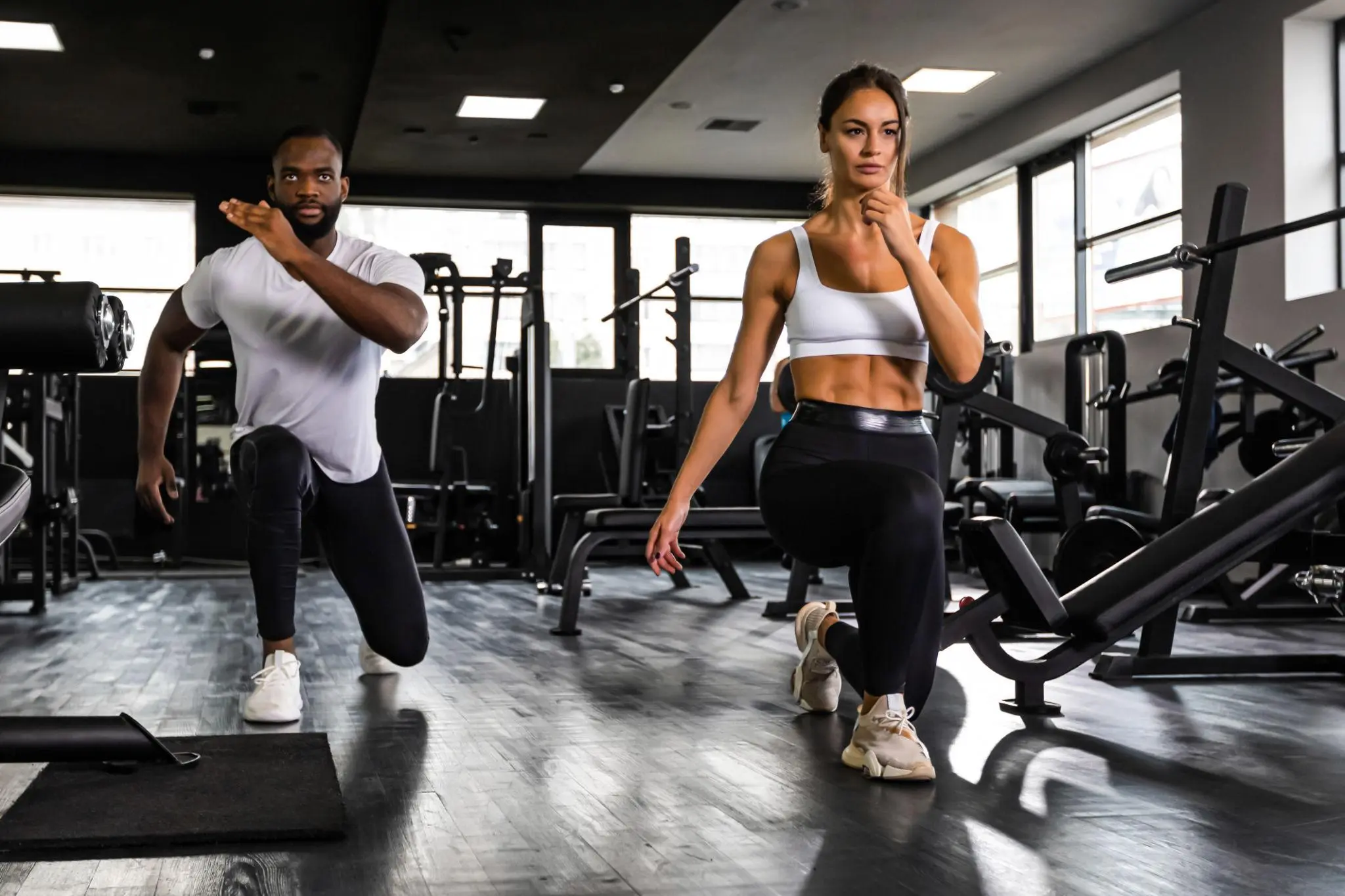
Imagine climbing three flights of stairs without feeling out of breath, carrying heavy grocery bags with ease, playing football with your friends, or keeping up with your children at the park. These are all examples of functional fitness.
A truly fit person doesn’t just look healthy, they move well, recover efficiently, and maintain good physical and mental well-being.
Fitness is built through a combination of different physical abilities that work together. Focusing on only one area while ignoring the others can limit your overall health and performance.
The Five Components of Physical Fitness

Understanding these five components will help you build a balanced fitness routine.
Cardiovascular Endurance
Cardiovascular endurance measures how efficiently your heart and lungs deliver oxygen to your muscles during physical activity.
Activities that improve cardiovascular endurance include:
- Walking
- Jogging
- Cycling
- Swimming
- Rowing
- Jump rope
Improving your cardiovascular fitness can help lower the risk of heart disease, increase stamina, and make daily activities feel easier.
Muscular Strength
Muscular strength is the amount of force your muscles can produce during a single movement.
Examples include:
- Squats
- Deadlifts
- Bench Press
- Push-ups
- Pull-ups
Greater strength doesn’t only help in the gym, it also makes lifting, carrying, and performing everyday tasks much easier.
Muscular Endurance
Muscular endurance is your muscles’ ability to perform repeated movements over time without getting tired.
Exercises that develop muscular endurance include:
- Bodyweight squats
- Lunges
- Planks
- High-repetition resistance training
- Cycling
This component helps improve overall work capacity and daily performance.
Flexibility
Flexibility refers to the range of motion around your joints.
Good flexibility can:
- Improve posture
- Reduce stiffness
- Support better movement patterns
- Lower the risk of certain injuries
Simple stretching routines and mobility exercises can gradually improve flexibility over time.
Body Composition
Body composition describes the proportion of body fat, muscle, bones, and water in your body.
Many beginners focus only on body weight, but two people can weigh exactly the same while having completely different body compositions.
Building muscle while reducing excess body fat often leads to better health, improved strength, and a more athletic appearance.

